Press Release
By Lucas Lichius
Global Product Manager of PBT, Envalior.
Uniting the benefits of PBT and polyamides in a single grade, our new material unlocks unprecedented design advantages through a unique combination of characteristics. Developed together with customers, it directly addresses the demands of a high-voltage future, in safety-critical automotive applications and beyond.
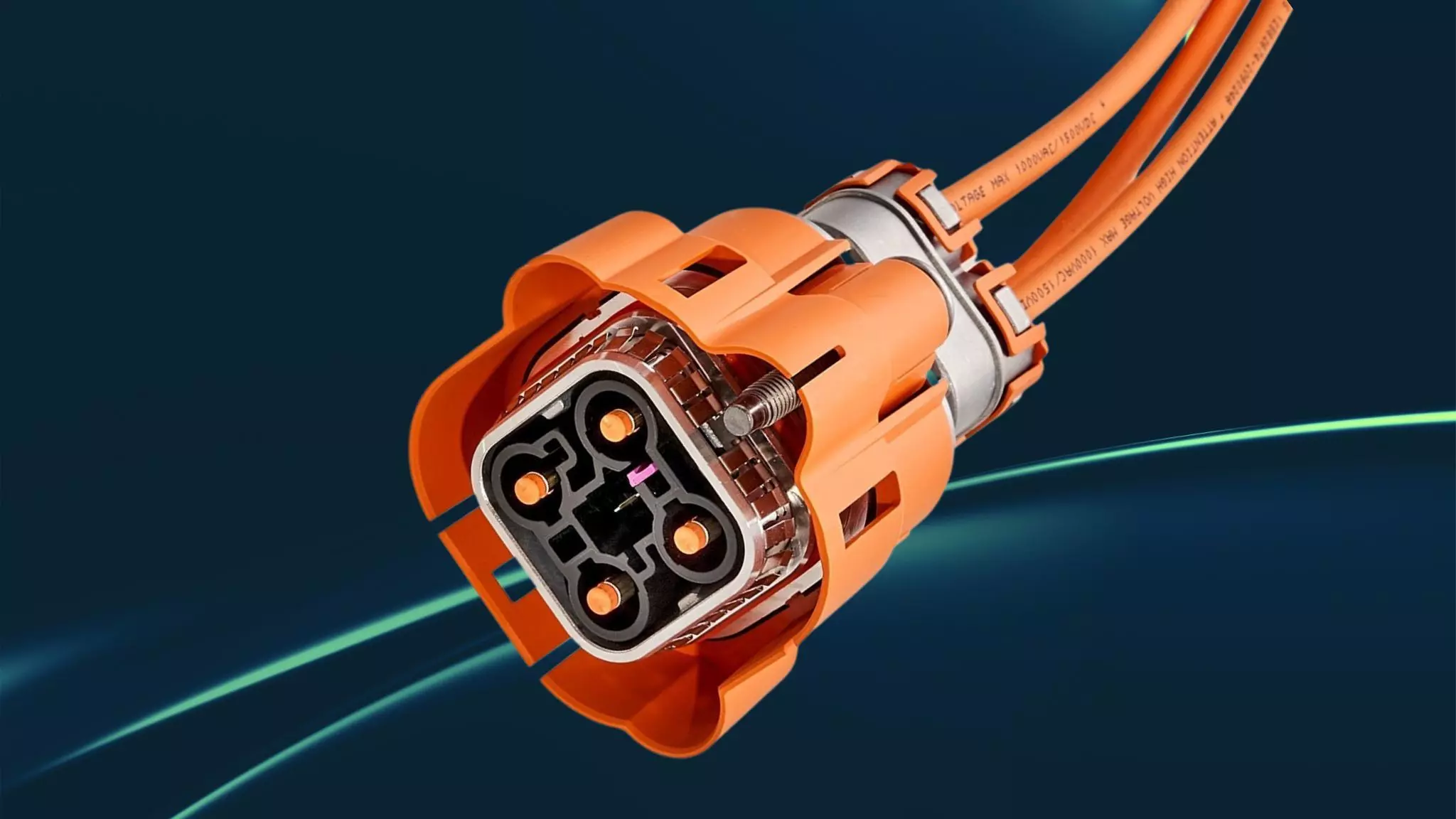
In the race to reduce electric vehicle charging times, the automotive industry is steadily transitioning toward 800V+ charging architectures. Production vehicles from Porsche, Hyundai, and Kia already operate on 800V systems, and BMW’s upcoming Neue Klasse series is also set to bring 800V technology into high-volume production. Meanwhile, in China, companies like BYD are advancing megawatt-level charging capabilities.
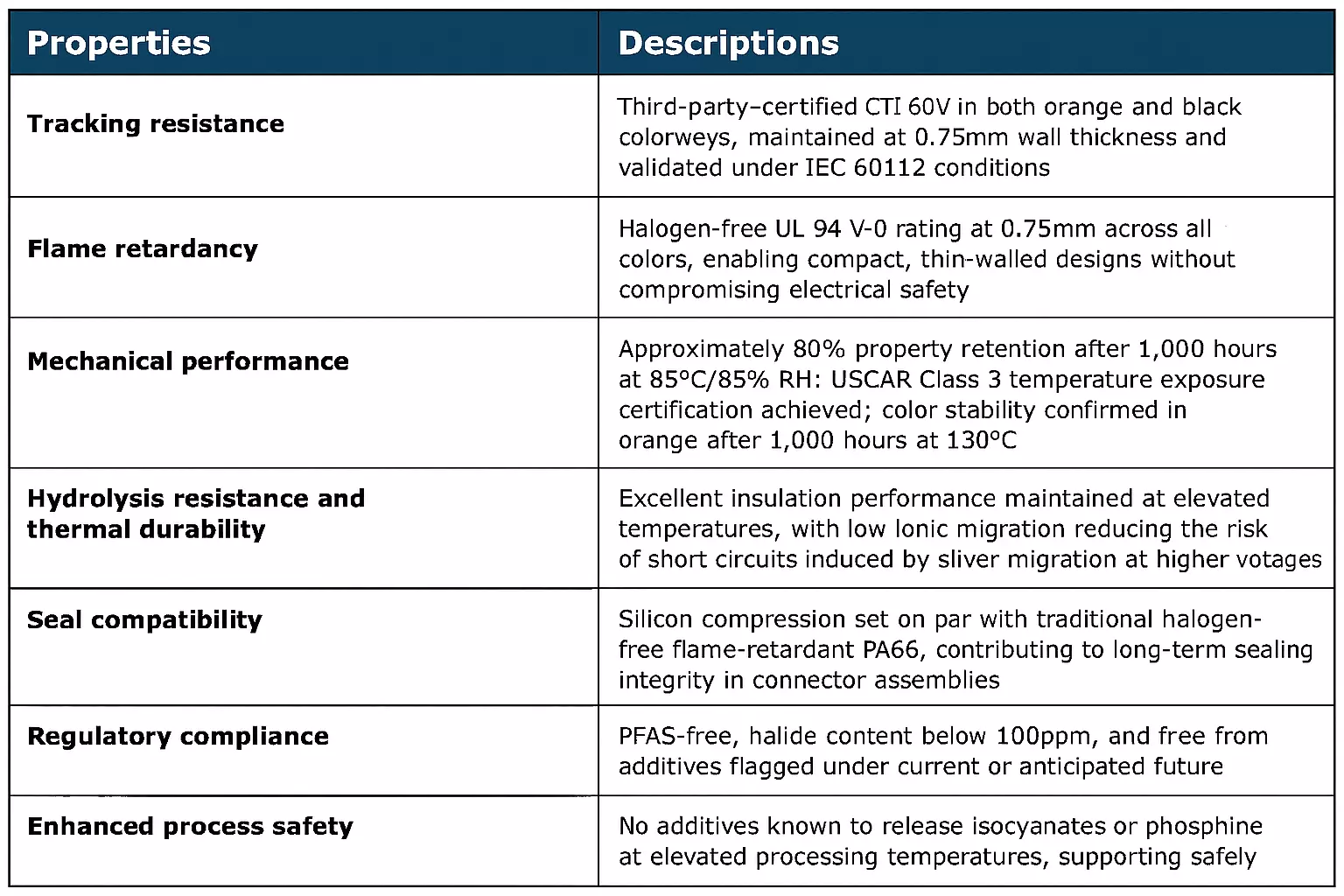
This progress translates into significantly improved convenience for customers, in some cases enabling ultrafast, sub-15-minute charging. However, these developments also introduce new material challenges. Namely, higher system voltages increase the risk of surface electrical tracking and metal ion migration, for example, silver migration on contact surfaces, in connector materials. These phenomena can ultimately lead to insulation failure or short-circuiting. To prevent this, connector materials must be engineered to resist tracking, according to the IEC 60112 standard with a minimum of CTI 600V even at very thin wall thicknesses. To give designers greater flexibility in addressing this emerging challenge, we have created a new material with an industry-first combination of mechanical and electrical benefits.
“When customers see that they no longer need to compromise between electrical performance and mechanical durability in connector applications, the value proposition becomes immediately clear,” said Tamim Sidiki, Global Segment Innovation Manager for Automotive at Envalior.
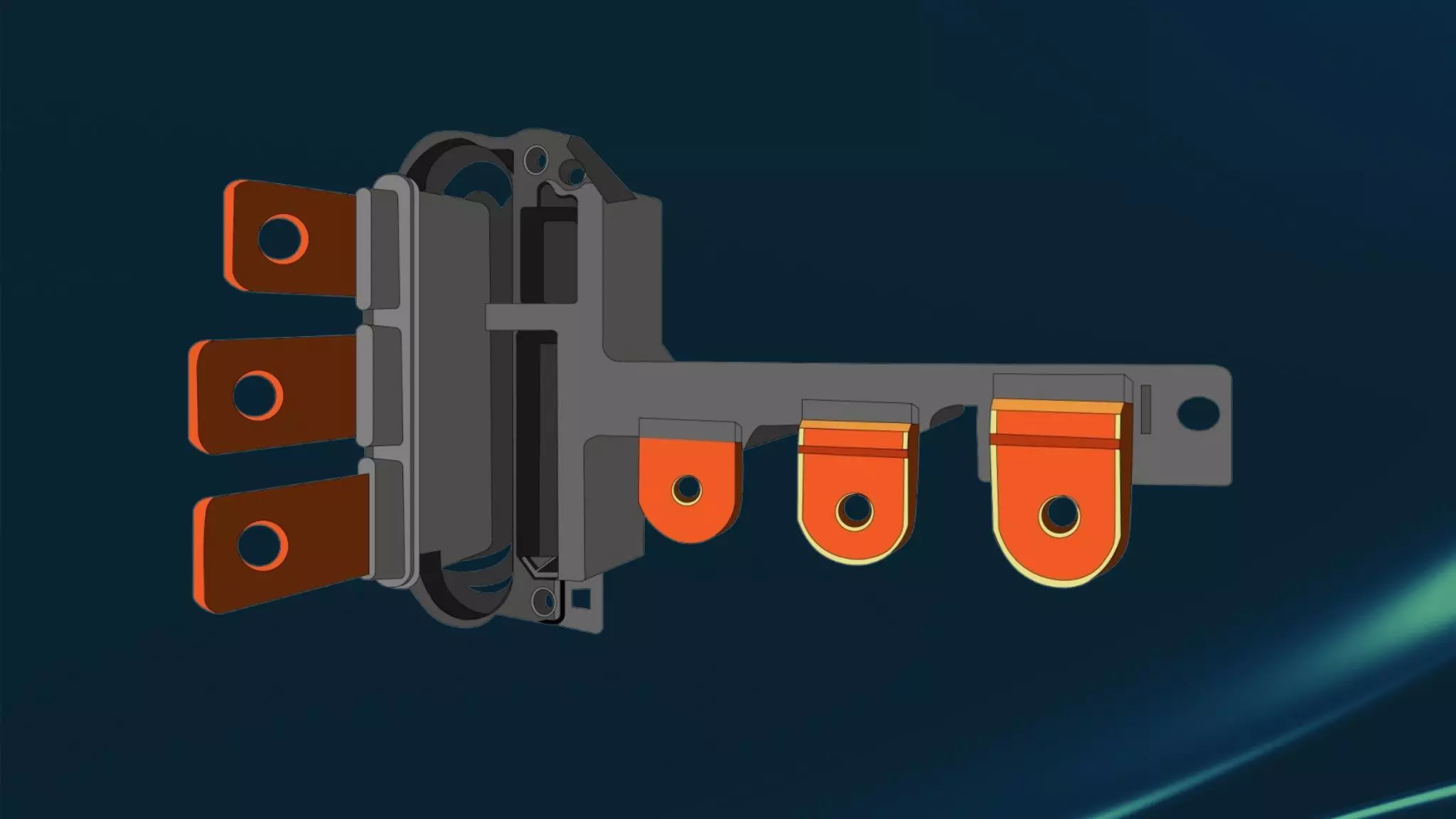
Pocan® BFN4232ZHR S1 is the new halogen-free, flame-retardant PBT compound developed by our R&D team. It is designed to be the ideal insulation material for high-voltage (HV) connectors, overcoming many of the shortcomings of alternatives. It does this by combining the inherent strengths of PBT with the mechanical resilience more commonly associated with PA6 and PA66, in a never-before-seen package.
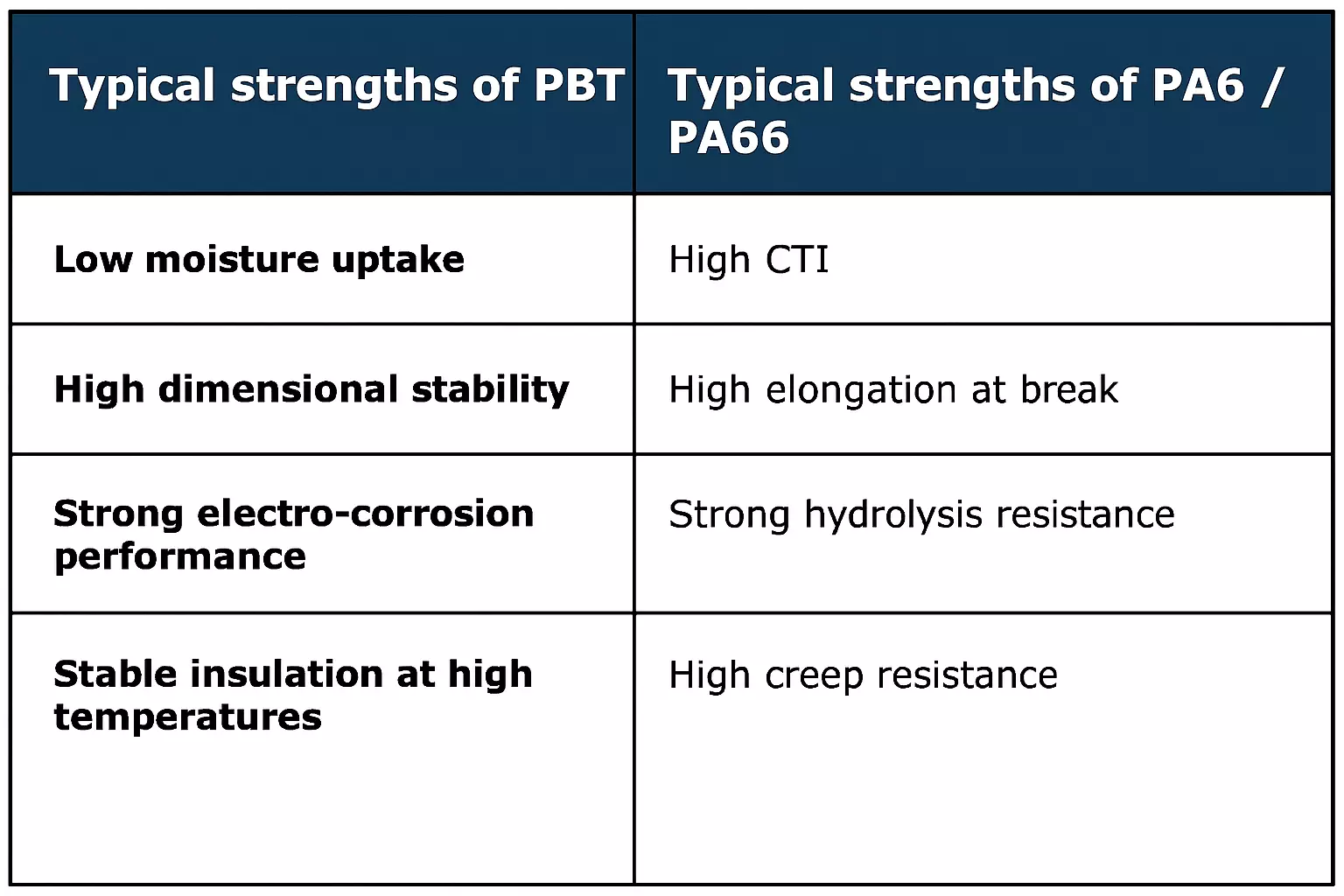
The new material represents a “best-of-both-worlds” solution – delivering high CTI performance, high elongation at break, and strong hydrolysis resistance and creep resistance. With this combination of two “material families” in one compound, designers no longer must choose between electrical performance and mechanical durability.
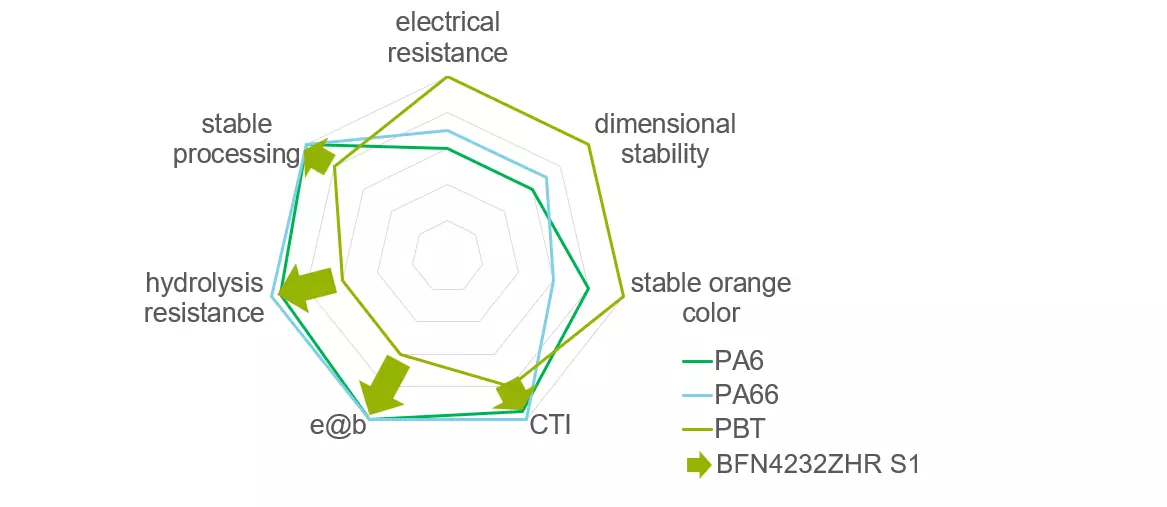
An ideal insulator for high voltage DC applications
The development of Pocan® BFN4232ZHR S1 was triggered directly by customer requirements, reflecting a clear industry gap: existing materials could not deliver the full combination of properties needed for higher-voltage applications. Previous attempts at creating high-CTI PBT compounds often required core compromises: inadequate mechanical properties, poor color stability, or reliance on additives such as PFAS or isocyanate-releasing flame retardants. The need to deliver all the material requirements in a single, price attractive grade made the engineering challenge more complex.
To get there, our teams worked with customers throughout the testing and validation process. This ensured the solution was shaped by real in-use requirements, rather than just laboratory benchmarks. A key enabler of this process is our in-house CTI testing infrastructure, with dedicated facilities in both Europe and India. These centers allow engineers to test beyond the ceiling of the official IEC 60112 standard (600V), including validation in orange and black colorways to meet automotive cable harness requirements. The material has now received third-party certification of CTI 600 performance in both colors, highlighting its performance and readiness for deployment.
Beyond end-use performance, material also must work safely, reliably, and efficiently within the constraints of high-volume automotive manufacturing. Pocan® BFN4232ZHR S1 was developed with stable processability top of mind. The material also delivers high laser weldability and passes heat-shock testing from -40°C to 140°C, confirming it can withstand the cycling typical of assembly and end-use conditions. Finally, it is laser markable, supporting data matrix codes and other identification marking in all colors.
With development now complete and performance properties confirmed, Pocan® BFN4232ZHR S1 is gaining market traction, with customer adoption already underway across Europe, China, and the Americas. Several customers have successfully completed the material validation processes, and the breadth of engagement across the industry reflects the scale of the unmet need this material addresses.
“When customers see they no longer need to compromise between electrical performance and mechanical durability in connector applications, the value proposition becomes immediately clear,” explained Sidiki.
Get instant answers to your material challenges

Lucas Lichius is the Global Product Manager of PBT at Envalior, where he is responsible for the strategic direction and performance of a portfolio comprising more than 200 product grades. Since joining the company, he has driven the harmonization of two portfolios, streamlined the product line for sustainable and profitable growth, and strengthened cross‑functional collaboration across R&D and procurement. His work focuses on enabling innovation through new product introductions and optimizing sourcing strategies to support Envalior’s global customers. Lucas holds a Master of Science in business psychology from FOM University of Applied Sciences.