
Press Release
By Bert Keestra
Application Development Engineer
Electrification is evolving and fuel systems must evolve with it. As hybrids become more advanced, fuel tanks face higher pressure demands, tighter packaging, and stronger sustainability targets. Yet many designs still rely on complex multilayer constructions built for yesterday’s architectures. Together, we can simplify hybrid fuel tank design without compromising performance.
Electrification is accelerating. But it’s not linear.
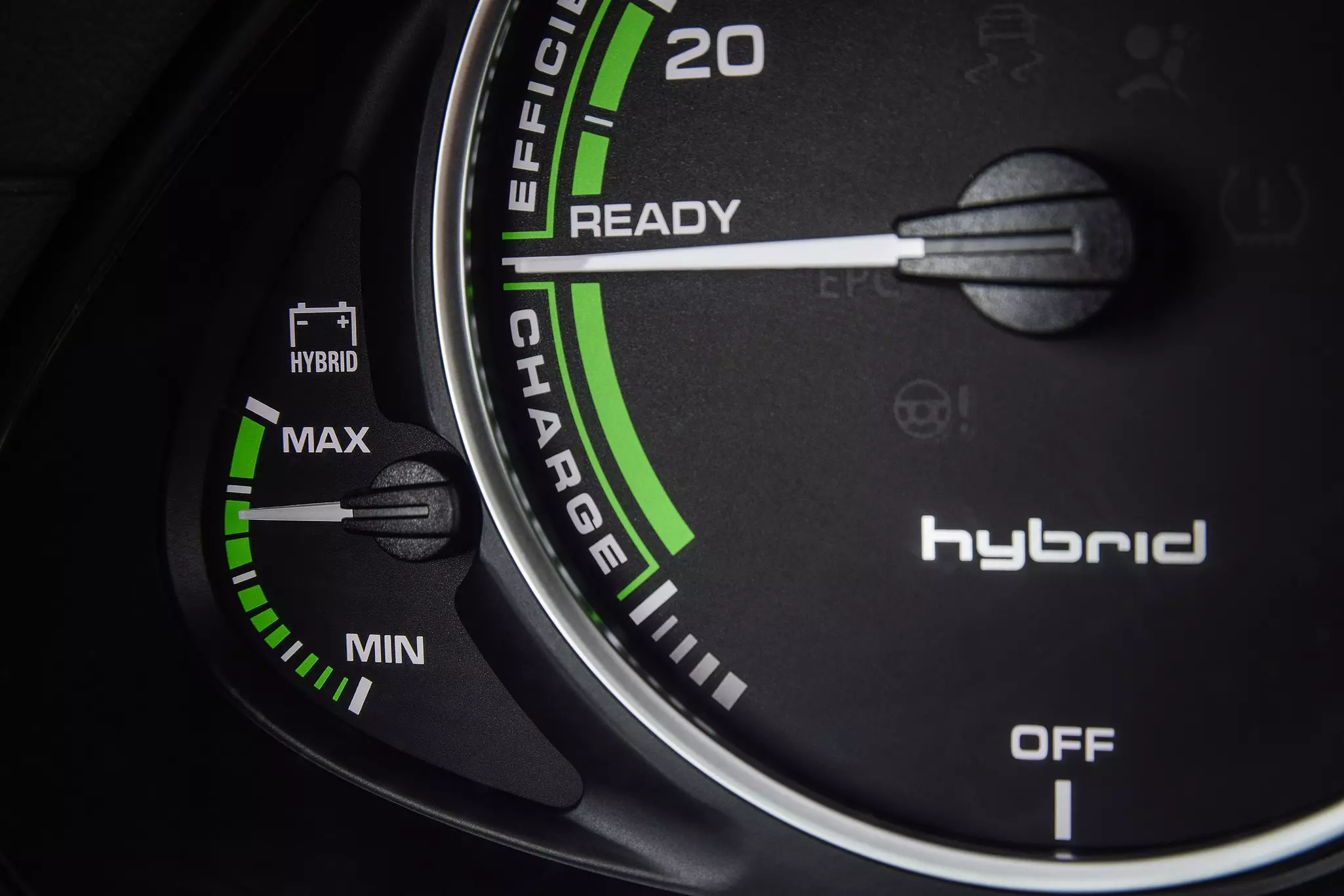
While battery electric vehicles continue to scale, hybrids remain a critical part of the transition, and they are evolving quickly. Mild hybrids, full hybrids, plug-in hybrids, and now extended-range electric vehicles (EREVs) are reshaping powertrain architectures across global markets.
For fuel tank designers, this creates a challenge. The engineering demands are getting tougher. Higher internal pressures. More compact packaging. Greater durability expectations. And relentless cost pressure.
The industry’s traditional answer has been multilayer blow-molded tanks using high-density polyethylene (HDPE) and ethylene vinyl alcohol (EVOH). This works, but it brings trade-offs:
As electrification scales, this level of complexity is no longer sustainable.
Hybrid fuel tanks operate in higher over- and under-pressure conditions than conventional internal combustion engine tanks. To manage this, designers often rely on injection-molded pillars, brackets, and baffles to reinforce structure and suppress fuel slosh.
In blow-molded multi-layer systems, these features frequently require secondary assembly, which adds cost, weight and risk.
Injection molding changes the equation.
With our Fuel Lock Technology, based on advanced polyamides such as Durethan® Fuel Lock and EcoPaXX® Fuel Lock, we enable monolayer fuel tank designs that combine mechanical performance and barrier properties in a single material.
This approach enables:
Together, we can rethink how hybrid fuel tanks are engineered, not just optimize the legacy approach.
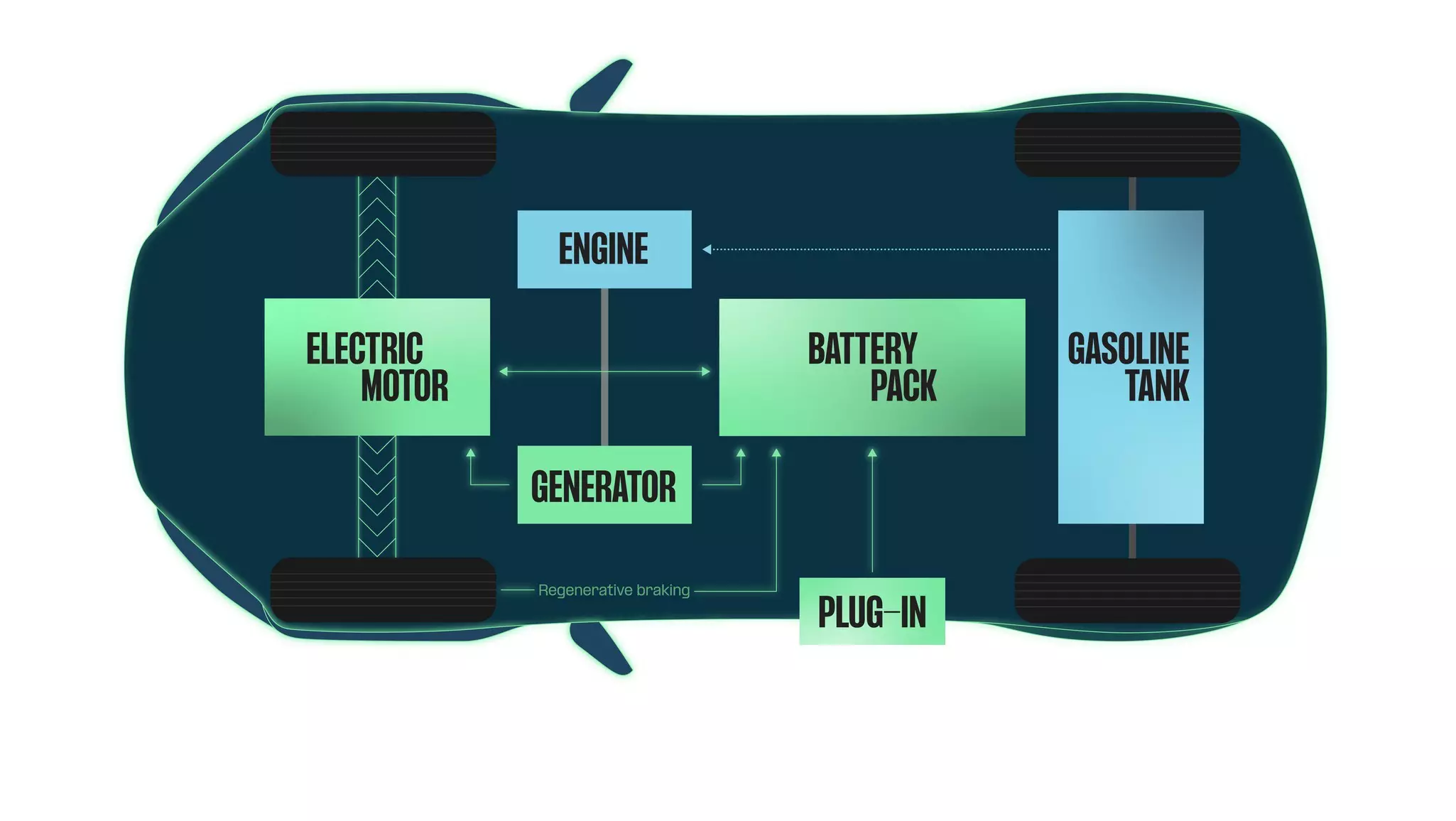
Bridging the gap between plug-in hybrids and full battery electric vehicles, EREVs offer a compelling solution. The wheels are driven entirely by electric motors, while a small combustion engine functions only as a generator to recharge the battery. The engine never drives the wheels directly.
This architecture delivers EV-like driving for daily use while eliminating range anxiety through rapid refueling. It also simplifies drivetrain mechanics by removing the need for a transmission. But it doesn’t eliminate the need for a fuel tank.
In fact, EREVs place unique demands on fuel system design. Tanks are smaller, packaging is tighter, and pressure management remains critical. At the same time, OEMs are looking to reduce vehicle mass and cost while maintaining durability across increasingly diverse operating conditions.
As EREV adoption grows — particularly in regions balancing electrification targets with infrastructure limitations — fuel tank solutions must evolve accordingly. Monolayer polyamide systems provide a pathway to meet these new constraints without adding manufacturing burden.
Fuel Lock Technology combines strong mechanical properties with excellent barrier performance in a single material system. Compared to conventional HDPE/EVOH multilayer blow molding, injection-molded polyamide tanks enable:
This integration reduces potential leakage points and supports a more robust tank architecture. And because we work closely with OEMs and Tier 1 suppliers, we support the full development cycle, from CAE design and permeation prediction to thermal stability analysis and application validation.
Electrification is about more than powertrains, the right materials will make all the difference.
EcoPaXX® Fuel Lock offers a compelling option for intrinsically salt-spray-resistant tanks in open chassis designs. Based on 70% bio-sourced monomer derived from castor oil, EcoPaXX® supports a reduced carbon footprint while delivering a balanced combination of high crystallinity, low moisture uptake, and chemical stability. The result is a material that performs under demanding automotive conditions while contributing to more sustainable vehicle platforms.
A monolayer tank also reduces processing complexity and enables weight reduction, further supporting vehicle-level CO₂ reduction goals. Sustainability and performance do not need to be competing priorities.
Hybridization is evolving, from mild hybrids to EREVs. Thus, fuel systems must adapt to new architectures without inheriting unnecessary manufacturing complexity.
At Envalior, we help you challenge legacy design assumptions and develop integrated, efficient fuel tank solutions that are lighter, more robust, and easier to produce. By reducing complexity, we help you build smarter systems that perform under real-world conditions, and cut costs too.
Explore Envalior’s Fuel Lock Grades
Learn more about hybrid fuel tank design

Bert Keestra studied chemical engineering at the Technical University Eindhoven (TU/e) in the Netherlands. After he completed a PhD in polymer technology at the same university, he started working at Envalior in the corporate research department of materials science. In 2010 he transferred to the business unit Engineering Materials as product development specialist and later as application development engineer, focusing on composite pressure vessels.